
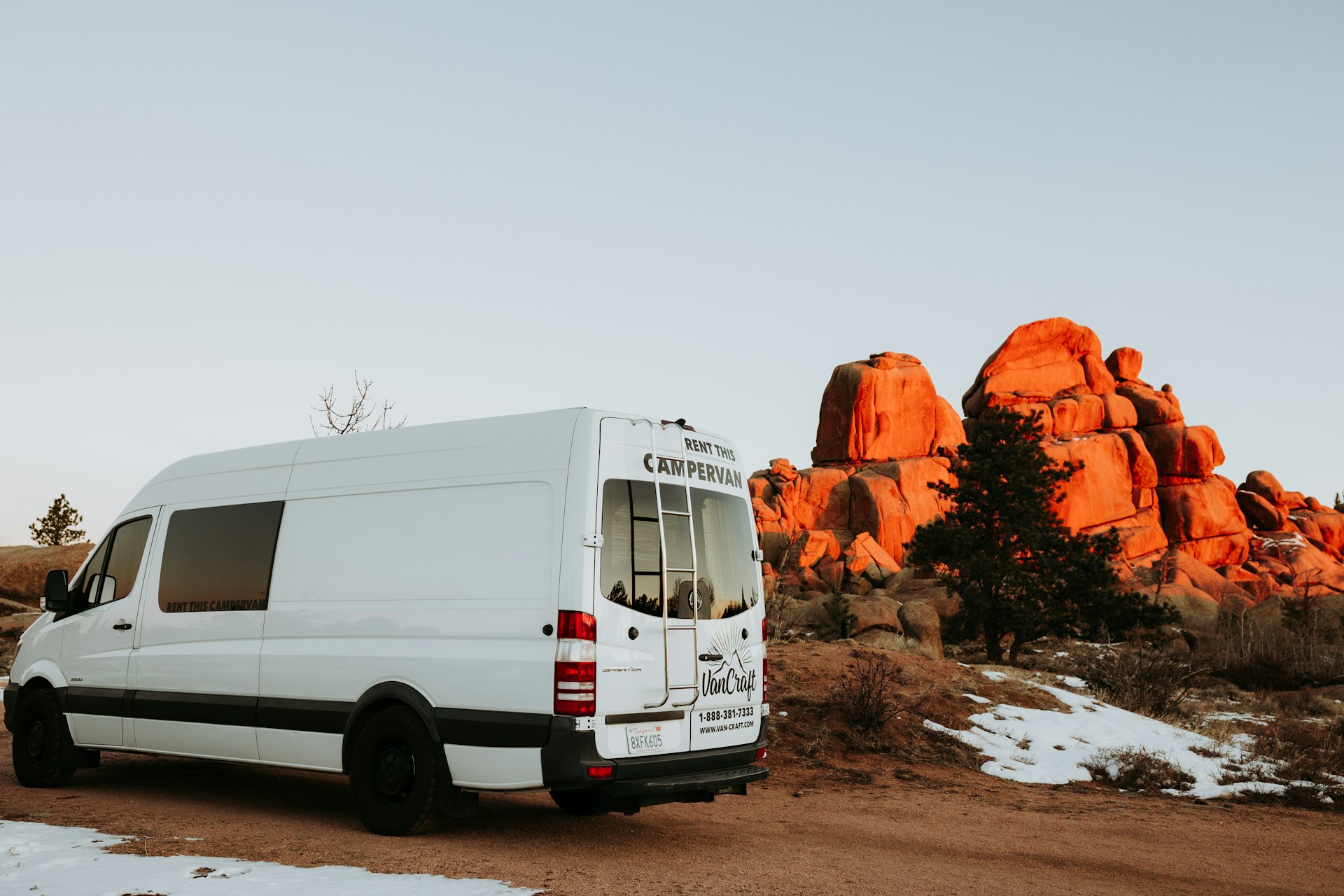
Stepping into overlanding feels a bit like standing on the edge of a giant map and picking a direction just because it calls your name. It’s exciting, messy, and occasionally confusing. Before you hit the road, your vehicle needs a few upgrades that keep the journey smooth. Think of this as prepping your four-wheeled partner for a long hike.
Upgraded Suspension System
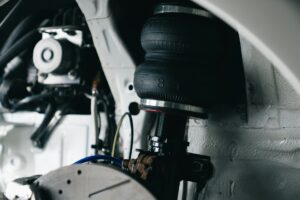 A strong suspension setup is one of the first things most beginners overlook, yet it makes a huge difference. Stock parts can struggle once you add gear, passengers, and off-road surfaces. A slightly improved suspension gives your rig a steadier feel and reduces unpleasant bouncing. A friend once joked that his old setup felt like riding a shopping cart down a gravel hill. Better suspension also helps your tires maintain contact with uneven terrain. That grip matters, especially when you’re exploring backroads that twist through unpredictable surfaces. You’ll also have more control over slopes, sudden dips, and rough patches. It’s a small change that pays off mile after mile.
All-Terrain Tires
Overlanding calls for tires that can handle long distances and rough ground without drama. All-terrain tires give you a blend of comfort and off-road capability. They bite into loose surfaces like sand or gravel with more confidence. Plus, they hold up better under heavy loads. Choosing a reliable set also helps you avoid constant pressure changes and wear issues. They last longer than basic street tires in demanding conditions. Many drivers report that the difference in stability is noticeable immediately. Even a guy I know switched and said it felt like his truck suddenly grew muscles.
Roof Rack or Cargo System
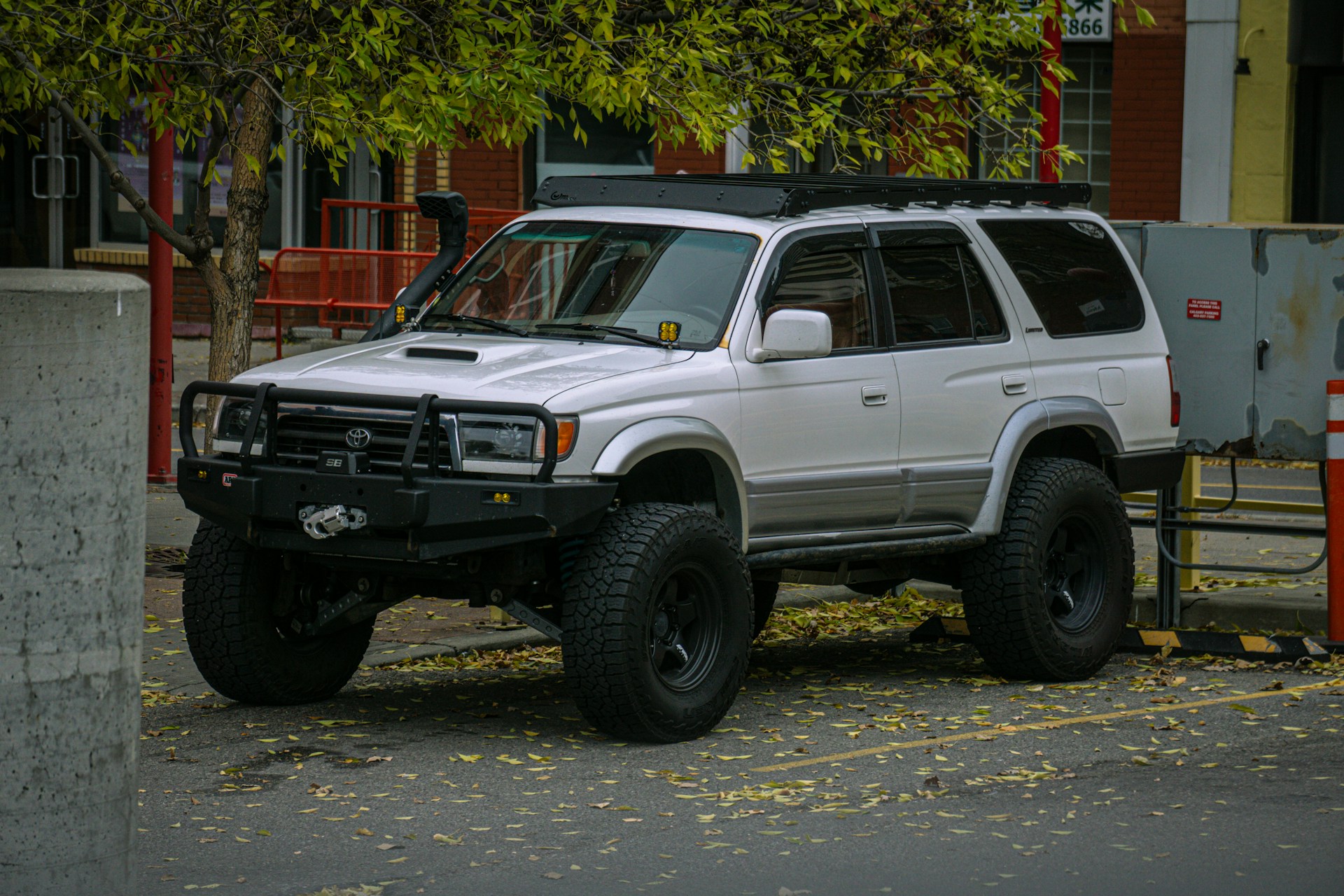
Packing for an overlanding trip is a true test of space management. A roof rack helps organize larger items so the interior stays functional. You can stash bulky gear up top without cramming everything behind the seats. It makes camp setup simpler because everything has a clear place. A rack also keeps sensitive items away from clutter. That means easier access to essentials like recovery boards or extra fuel. You won’t waste time digging through bags at the worst moment. Think of it as adding another room to your vehicle without needing a full remodel.
Recovery Gear Mounts
If you plan to explore remote areas, recovery gear isn’t optional. Mounts for shovels, traction boards, and jacks keep those tools secure and ready. Loose gear can turn into a hazard on rough tracks. Proper mounts prevent that and save time during sticky situations. You may rarely need this equipment, but when you do, speed matters. A mounted setup helps you act quickly if your wheels sink into mud or sand. It also avoids rummaging while your tires spin like a dog chasing its tail. Having everything fixed in place gives you peace of mind in unpredictable moments.
Auxiliary Lighting

Extra lighting helps more than you’d expect. Night driving in remote areas can feel eerie, especially when your factory headlights don’t cut it. Auxiliary lights brighten the path and reveal obstacles early. They also help around camp during late-night setups. Good lighting mounts keep the beams steady, even on rough trails. The added visibility reduces surprises, such as low branches or sudden ruts. Many travelers say it makes evening driving far less stressful. Once you use them, it’s hard to go back to the dim factory glow.
Preparing your vehicle for overlanding builds confidence before your first big journey. With the right installations, your ride becomes a dependable travel partner instead of a hesitant tag-along. These upgrades keep the adventure lively, safe, and genuinely fun.