Skip to content
Germond Media Inc

Germond Media Inc

Home of excellent news

Menu
  • Home
  • Home improvememt
  • Health
  • Automotive
  • Contact Us
  • Our Crew

Category: Health

Why Keeping a Personal Health Record Can Help During Medical Appointments

No Comments
| Health

Medical appointments are easier to manage when patients have accurate information about their health. However, remembering every medication, previous diagnosis, allergy, and test result can be difficult, especially when several healthcare professionals are involved. A personal health record provides a convenient way to organize these details in one accessible place. It may include medical history, current treatments, vaccination records, laboratory results, and notes about ongoing symptoms. Having this information available helps patients explain their concerns clearly and answer questions more confidently. It also supports better communication with healthcare providers. Although maintaining a record requires regular updates, the effort can make appointments more productive and help patients take a more active role in their healthcare.

Organizing Important Medical Information

A personal health record helps patients keep essential medical details together instead of relying on memory or searching through separate documents. This information may include past illnesses, surgeries, allergies, prescribed medications, and relevant family medical history. Keeping these details organized allows patients to provide a clearer picture of their health when meeting a doctor. For example, someone receiving treatment from several specialists may have different prescriptions, test results, and follow-up instructions. A well-maintained record makes it easier to review these details before an appointment. It can also help patients identify missing information that needs to be requested from a previous healthcare provider. Records do not need to be complicated. A dedicated notebook, a secure digital document, or an appropriate health management application can work well. The most important consideration is accuracy. Patients should review their information regularly and correct outdated details whenever their circumstances change.

Improving Communication With Healthcare Providers

Clear communication is essential during medical appointments. Patients sometimes forget important symptoms or struggle to describe when a problem began. A personal health record provides a reference that can make these conversations more focused and informative. Recording symptoms before an appointment can help patients explain their experiences in greater detail. They might note when discomfort occurs, how long it lasts, what makes it better or worse, and whether other symptoms appear at the same time. These observations can help a healthcare professional understand the situation and decide what questions or examinations may be appropriate. A record also gives patients a place to prepare questions in advance. This is particularly helpful when appointments are short, or several concerns need attention. Rather than trying to remember everything during the consultation, patients can refer to their notes and discuss the issues that matter most.

Tracking Medications and Allergies

Medication information is especially important when patients receive prescriptions from different healthcare providers. A personal health record can list medication names, dosages, schedules, and the reasons each medicine was prescribed. It may also include nonprescription medicines, vitamins, and supplements. This information helps clinicians review a patient’s current treatment and assess possible interactions or duplication. It is particularly useful when a prescription changes or a patient visits an unfamiliar healthcare facility. Accurate details allow the provider to make better-informed decisions about treatment. Allergy information deserves equal attention. Patients should record known allergies to medicines, foods, or other substances and describe previous reactions when possible. If a reaction is uncertain, it should be identified as unconfirmed rather than presented as a definite allergy. Patients should still bring medication packaging or an updated medication list when requested. A personal record supports professional assessment, but it does not replace a clinician’s review or independently determine whether a treatment is safe.

Monitoring Health Changes Over Time

A personal health record can help patients recognize patterns and track changes between appointments. Depending on their healthcare needs, they may record blood pressure readings, blood glucose measurements, weight, recurring symptoms, or other information recommended by their provider. These records can show whether a concern is improving, remaining stable, or becoming more frequent. For instance, a patient who experiences recurring headaches might record their timing, duration, severity, and possible triggers. This information can provide useful context during a consultation. Test results and previous diagnoses can also help healthcare professionals compare current findings with earlier information. However, patients should avoid interpreting isolated measurements without appropriate guidance. Results may vary because of testing conditions, medications, and other factors. Consistent records are most useful when they focus on relevant information. Patients should follow their healthcare provider’s advice about what to monitor rather than collecting unnecessary measurements that may cause confusion or concern.

Preparing for Appointments and Follow-Ups

Preparing for an appointment involves more than remembering the scheduled date. Patients may need to bring previous test results, referral documents, discharge summaries, or information about recent treatments. A personal health record helps them identify which materials are relevant before leaving home. It can also preserve instructions from previous consultations. Patients may record recommended lifestyle changes, medication adjustments, requested tests, and follow-up dates. Reviewing these notes before the next appointment helps them explain what has happened since their last visit. If a doctor recommends additional testing, patients can document the purpose of the test and when the results should become available. They can then ask informed questions during follow-up discussions. Written notes are especially useful when instructions involve several steps or unfamiliar medical terms. Patients should contact their healthcare provider if instructions are unclear rather than relying on memory or making treatment changes independently. A record supports continuity, but professional guidance remains essential.

Protecting Records and Keeping Them Updated

A personal health record is only useful when its information is current, accessible, and protected. Patients should update it after significant medical visits, prescription changes, new diagnoses, or important test results. Reviewing the record periodically can also reveal outdated contact information or missing details. Digital records offer convenience because they can be accessed across devices, depending on the service. However, patients should use strong passwords, secure applications, and appropriate privacy settings. Sensitive medical documents should not be stored in public folders or shared through unsecured channels. Paper records can be useful when internet access is unavailable.

Patients may keep copies in a secure location and carry only the information needed for an …

Read More »

Magic Mushrooms and Mental Health: Can They Help Treat Anxiety and Depression?

3,384 Comments
| Health
shrooms

Magic mushrooms have long been shrouded in mystery and intrigue. These natural fungi, containing the psychedelic compound psilocybin, are gaining attention for their potential benefits beyond recreational use. As mental health struggles like anxiety and depression continue to rise, many are looking toward alternative treatments. Could magic mushrooms hold the key to alleviating these common afflictions? In recent years, a growing body of research has begun to explore the effects of psilocybin on mental health. Some studies suggest that these “magical” substances may not only provide short-term relief but could also foster lasting changes in how we perceive and cope with our emotions. Join us as we delve into the fascinating world of magic mushrooms and their potential role in transforming mental well-being.

The History of Magic Mushrooms and Mental Health Treatment

magic mushrooms

Magic mushrooms, primarily associated with their psychoactive properties, have a rich history intertwined with various cultures. Indigenous peoples in Mesoamerica have utilized these fungi for thousands of years. They were often included in spiritual rituals and healing practices. In the mid-20th century, interest in magic mushrooms surged within Western societies. Researchers began exploring their potential therapeutic benefits during this time. However, the rise of psychedelics coincided with significant societal backlash and regulatory restrictions. The 1970s saw a drastic shift as governments classified psilocybin as a Schedule I substance. This halted much research into its medicinal uses for decades.

How Magic Mushrooms Work in the Brain

Magic mushrooms contain psilocybin, a compound that transforms into psilocin after ingestion. This substance closely resembles serotonin, a key neurotransmitter responsible for mood regulation. Once in the brain, psilocin binds to serotonin receptors. This interaction can lead to altered perceptions and emotions. Users often report enhanced feelings of connection and introspection during their experiences. The effects on brain connectivity are particularly intriguing. Research shows that magic mushrooms can increase communication between different regions of the brain, leading to novel thinking patterns. Some studies suggest this may help break negative thought loops common in anxiety and depression.


Research and Studies on Magic Mushrooms for Anxiety and Depression

Recent research has sparked interest in the potential of magic mushrooms for treating anxiety and depression. Studies have shown promising results, particularly with psilocybin, the active compound found in these fungi. In clinical trials, participants reported significant reductions in symptoms after just a few doses. The effects often lasted for weeks or even months beyond treatment sessions. This long-lasting impact is especially noteworthy compared to conventional medications that may require daily administration. Researchers are exploring how psilocybin affects brain connectivity. It appears to promote a sense of unity between different regions of the brain, which could lead to heightened emotional awareness and improved mood regulation.

Potential Risks and Side Effects

psychosis

While magic mushrooms show promise for treating anxiety and depression, they aren’t without risks. Users may experience intense psychological effects that can be overwhelming. Hallucinations and altered perceptions are common during a trip. For some individuals, these experiences can trigger panic attacks or exacerbate existing mental health issues. It’s essential to approach this substance with caution. Physical side effects like nausea, vomiting, and dizziness may occur as well. These symptoms can detract from the therapeutic potential of the experience.

The conversation surrounding magic mushrooms and their potential role in treating mental health issues continues to evolve. As research progresses, there’s a growing body of evidence suggesting that these naturally occurring fungi may offer therapeutic benefits for those struggling with anxiety and depression. The compounds found in magic mushrooms, particularly psilocybin, have shown promising results in altering brain function and enhancing emotional resilience.…

Read More »

Reasons Why Obesity Is a National Crisis

644 Comments
| Health
lady

Obesity is a growing problem in the United States, and it’s a national crisis that needs to be addressed. Obesity is defined as having a body mass index (BMI) of 30 or higher, and it’s a severe health condition that can lead to various health problems. In this blog post, we’ll discuss why obesity is a national crisis and what we can do to combat it.

Health Risks

unhealthyOne of the biggest reasons why obesity is a national crisis is because of the health risks it poses. Obesity increases the risk of many serious health conditions, including heart disease, stroke, type 2 diabetes, high blood pressure, and certain types of cancer.

These health conditions can lead to a decreased quality of life and even death. Additionally, the cost of treating obesity-related health problems is astronomical, and it’s a significant burden on our healthcare system. With the rising rates of obesity, this is an issue that needs to be addressed as soon as possible.

Lack of Physical Activity

Another reason why obesity is a national crisis is because of the lack of physical activity in our society. We live in a world where technology has made our lives easier, but it’s also made us more sedentary. We spend more time sitting in front of computers and televisions and less time being active. Additionally, many jobs that were once physically demanding are now done by machines. This lack of physical activity is a significant contributor to the obesity epidemic.

Poor Diet

Another reason why obesity is a national crisis is because of our poor diet. The availability of cheap, processed foods high in sugar, fat, and calories has increased the consumption of unhealthy foods. Additionally, larger portions and the constant bombardment of food advertising have made it easy to overeat. This poor diet is a significant contributor to the obesity epidemic.

Socioeconomic Factors

friendsObesity disproportionately affects low-income and minority populations. These communities often lack access to healthy food options and safe places to exercise. Additionally, they may have less access to healthcare and education about healthy living. These socioeconomic factors contribute to the obesity epidemic and make it even more of a crisis.

In conclusion, obesity is a national crisis that needs to be addressed. The health risks, lack of physical activity, poor diet, and socioeconomic factors all contribute to the obesity epidemic. To combat obesity, we need to prioritize education and access to healthy food options and safe places to exercise. We must also address the societal and cultural factors contributing to obesity. Individuals need to take responsibility for their health and make healthy choices, but it’s also essential for society to make changes to support healthy living.…

Read More »

Natural Remedies For Eyelid Inflammation

313 Comments
| Health
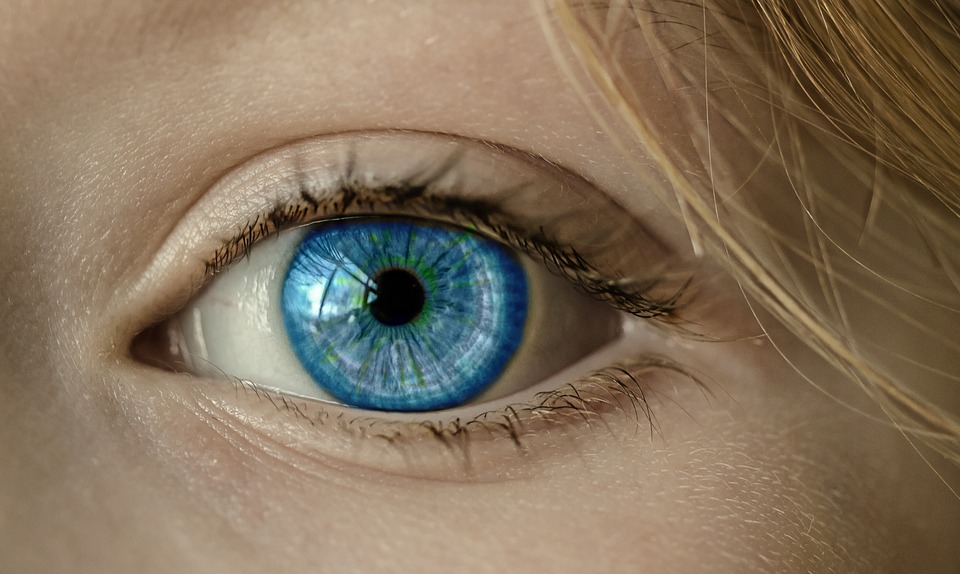
blue eye

Eyelashes consist of hair follicles which contain the oil glands. Clogging or irritation of these glands could happen due to some infection which triggers inflammation. This inflammation is referred to as eyelid inflammation or blepharitis. Types of eyelid inflammations include posterior and anterior. The anterior one occurs on the eye’s exterior while the posterior one occurs inside the eyes.

The cause of eyelid infection is not known though there are some factors which increase the risk. These factors include allergic reactions due to eye makeups, dandruff on the eyebrows, side effects from medication, bacterial infections, eyelash lice or mites and malfunctioning of the oil glands.

Blepharitis causes a lot of problems or discomfort to the affected individuals. It affects one’s vision. Possible symptoms and signs of eyelid infection include inflamed or swollen eyelids, itchy eyelids, watery eyes, oily eyelids et.c. Note that complication of blepharitis could lead to eyelash loss.

Here are some of the potential home remedies used in the treatment of blepharitis.

Tea tree oil

Eyelid inflammation can also Tea tree oilbe treated by use of tea tree oil. This oil helps in the treatment of the underlying cause as well as relieving the various symptoms like itching and inflammation.
 

A study that was conducted in 2012
by the Korean medical science revealed that blepharitis which is caused by the Demodex mites could be treated by use of tea tree oil. This oil is very effective in eliminating ocular Demodex as well as improving the subjective ocular symptoms.

Maintenance of eyelid hygiene

It is important to maintain a good hygiene for the treatment and prevention of eyelid infection. This disease is mainly caused by persistent problems which can be controlled by practicing right eyelid and skin hygiene. This will help in preventing recurrences. A study that was conducted in 2012 revealed that practicing of good hygiene helps in relieving the symptoms of both posterior and anterior blepharitis.

Regular cleansing of teyelidhe eyelids by use of some lukewarm water should be practiced. A cleansing solution might also be used as prescribed by the doctor. This prevents the formation of crusts on the lashes.

Regular cleaning also prevents the formation of scaly patches and oil residues on the eyelids. Antibacterial shampoo can also be used for washing your hair, eyebrows, and the scalp.

Scrubbing the eyelids

Scrubbing of the eyelids is essential as it helps to prevent the accumulation of the scaly patches and oil residue on the eyelids. It also prevents crusts from developing on your eyelids as they could delay the eyelid’s healing process.

 …

Read More »

Follow

  • facebook

Last Posts

  • Why Keeping a Personal Health Record Can Help During Medical Appointments
  • Overlanding 101: What to Install Before Your First Big Trip
  • Magic Mushrooms and Mental Health: Can They Help Treat Anxiety and Depression?
  • The Ultimate Guide: How to Select the Perfect Toys for Your Furry Friend
  • Reasons Why Obesity Is a National Crisis
  • Benefits of Using an Online Pay Stub Generator for Your Company
  • Reasons to Consume Magic Mushrooms

Terms and Privacy

  • Policy
  • Terms Of Use

Germond Media Inc 2026 . Powered by WordPress