

Medical appointments are easier to manage when patients have accurate information about their health. However, remembering every medication, previous diagnosis, allergy, and test result can be difficult, especially when several healthcare professionals are involved. A personal health record provides a convenient way to organize these details in one accessible place. It may include medical history, current treatments, vaccination records, laboratory results, and notes about ongoing symptoms. Having this information available helps patients explain their concerns clearly and answer questions more confidently. It also supports better communication with healthcare providers. Although maintaining a record requires regular updates, the effort can make appointments more productive and help patients take a more active role in their healthcare.
Organizing Important Medical Information
A personal health record helps patients keep essential medical details together instead of relying on memory or searching through separate documents. This information may include past illnesses, surgeries, allergies, prescribed medications, and relevant family medical history. Keeping these details organized allows patients to provide a clearer picture of their health when meeting a doctor. For example, someone receiving treatment from several specialists may have different prescriptions, test results, and follow-up instructions. A well-maintained record makes it easier to review these details before an appointment. It can also help patients identify missing information that needs to be requested from a previous healthcare provider. Records do not need to be complicated. A dedicated notebook, a secure digital document, or an appropriate health management application can work well. The most important consideration is accuracy. Patients should review their information regularly and correct outdated details whenever their circumstances change.
Improving Communication With Healthcare Providers

Clear communication is essential during medical appointments. Patients sometimes forget important symptoms or struggle to describe when a problem began. A personal health record provides a reference that can make these conversations more focused and informative. Recording symptoms before an appointment can help patients explain their experiences in greater detail. They might note when discomfort occurs, how long it lasts, what makes it better or worse, and whether other symptoms appear at the same time. These observations can help a healthcare professional understand the situation and decide what questions or examinations may be appropriate. A record also gives patients a place to prepare questions in advance. This is particularly helpful when appointments are short, or several concerns need attention. Rather than trying to remember everything during the consultation, patients can refer to their notes and discuss the issues that matter most.
Tracking Medications and Allergies
Medication information is especially important when patients receive prescriptions from different healthcare providers. A personal health record can list medication names, dosages, schedules, and the reasons each medicine was prescribed. It may also include nonprescription medicines, vitamins, and supplements. This information helps clinicians review a patient’s current treatment and assess possible interactions or duplication. It is particularly useful when a prescription changes or a patient visits an unfamiliar healthcare facility. Accurate details allow the provider to make better-informed decisions about treatment. Allergy information deserves equal attention. Patients should record known allergies to medicines, foods, or other substances and describe previous reactions when possible. If a reaction is uncertain, it should be identified as unconfirmed rather than presented as a definite allergy. Patients should still bring medication packaging or an updated medication list when requested. A personal record supports professional assessment, but it does not replace a clinician’s review or independently determine whether a treatment is safe.
Monitoring Health Changes Over Time
A personal health record can help patients recognize patterns and track changes between appointments. Depending on their healthcare needs, they may record blood pressure readings, blood glucose measurements, weight, recurring symptoms, or other information recommended by their provider. These records can show whether a concern is improving, remaining stable, or becoming more frequent. For instance, a patient who experiences recurring headaches might record their timing, duration, severity, and possible triggers. This information can provide useful context during a consultation. Test results and previous diagnoses can also help healthcare professionals compare current findings with earlier information. However, patients should avoid interpreting isolated measurements without appropriate guidance. Results may vary because of testing conditions, medications, and other factors. Consistent records are most useful when they focus on relevant information. Patients should follow their healthcare provider’s advice about what to monitor rather than collecting unnecessary measurements that may cause confusion or concern.
Preparing for Appointments and Follow-Ups
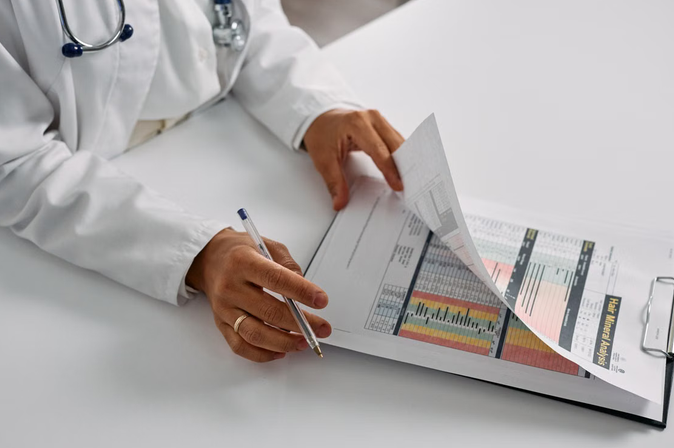
Preparing for an appointment involves more than remembering the scheduled date. Patients may need to bring previous test results, referral documents, discharge summaries, or information about recent treatments. A personal health record helps them identify which materials are relevant before leaving home. It can also preserve instructions from previous consultations. Patients may record recommended lifestyle changes, medication adjustments, requested tests, and follow-up dates. Reviewing these notes before the next appointment helps them explain what has happened since their last visit. If a doctor recommends additional testing, patients can document the purpose of the test and when the results should become available. They can then ask informed questions during follow-up discussions. Written notes are especially useful when instructions involve several steps or unfamiliar medical terms. Patients should contact their healthcare provider if instructions are unclear rather than relying on memory or making treatment changes independently. A record supports continuity, but professional guidance remains essential.
Protecting Records and Keeping Them Updated
A personal health record is only useful when its information is current, accessible, and protected. Patients should update it after significant medical visits, prescription changes, new diagnoses, or important test results. Reviewing the record periodically can also reveal outdated contact information or missing details. Digital records offer convenience because they can be accessed across devices, depending on the service. However, patients should use strong passwords, secure applications, and appropriate privacy settings. Sensitive medical documents should not be stored in public folders or shared through unsecured channels. Paper records can be useful when internet access is unavailable.
Patients may keep copies in a secure location and carry only the information needed for an appointment. They should also consider how emergency contacts or trusted caregivers can access relevant details when necessary, while respecting personal privacy. Maintaining a personal health record is a simple habit that can improve preparation, communication, and continuity of care. By keeping accurate information available, patients can participate more confidently in medical discussions and help healthcare professionals make informed decisions.